Choosing the right size patio heater can make all the difference between a chilly outdoor gathering and a cozy, comfortable space you’ll want to enjoy all year round. But how do you know which heater will warm your patio just right without wasting energy or money?
You’re about to discover simple, practical tips that take the guesswork out of sizing your patio heater perfectly for your space. Whether your outdoor area is small and intimate or large and open, this guide will help you pick a heater that fits your needs, keeps you warm, and extends your time outside—no matter the season.
Keep reading to find out exactly how to choose the right size patio heater for your home.
Types Of Patio Heaters
Choosing the right patio heater starts with understanding the types available. Each type has unique features and suits different outdoor spaces. Knowing these options helps pick a heater that fits your needs and budget.
Gas Heaters
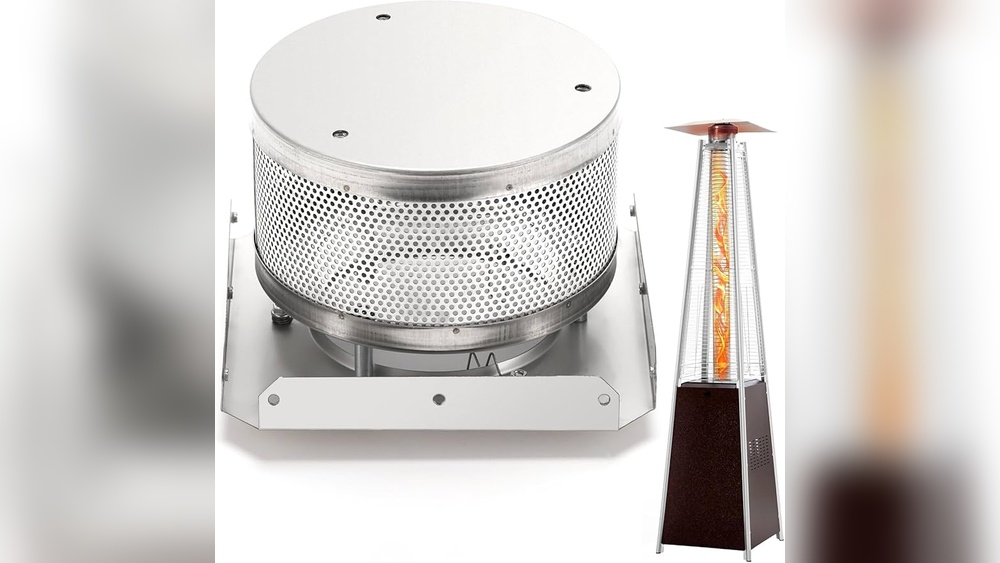
Gas heaters use propane or natural gas for warmth. They produce strong heat, ideal for large areas. These heaters often have a classic look with a visible flame. They work well even in windy conditions. Gas heaters need proper ventilation and safe placement.
Electric Heaters
Electric heaters run on electricity, making them clean and easy to use. They are quieter and require less maintenance than gas heaters. Electric models suit small to medium patios and indoor spaces. You just plug them in and turn them on. They do not produce flames or fumes.
Infrared Heaters
Infrared heaters warm objects and people directly, not the air. This makes them very efficient outdoors. They provide instant heat and use less energy. Infrared heaters are available in gas and electric versions. They work well in open or partially covered areas.
Portable Vs Permanent Models
Portable heaters are easy to move and store. They are good for flexible use and small spaces. Permanent models mount to walls or ceilings for fixed heating. These heaters save floor space and provide steady warmth. Choose based on your patio layout and how often you move the heater.

Credit: www.amazon.com
Measuring Your Space
Measuring your outdoor space is the first step to picking the right patio heater. Accurate measurements help you find a heater that warms your area efficiently. Avoid buying a heater that is too small or too large. Consider the shape and size of your patio. Think about how much heat you need for comfort. Take notes and use them to compare heater options.
Calculating Patio Area
Measure the length and width of your patio. Multiply these numbers to get the total area in square feet. For example, a 10-foot by 12-foot patio equals 120 square feet. This number guides you in choosing the heater’s power. Larger areas need heaters with higher heat output. Smaller patios work well with compact heaters.
Considering Ceiling Height
Check the height of any overhead covering or roof. Higher ceilings allow heat to rise, reducing warmth at ground level. Low ceilings keep heat closer to people. This affects the heater type and placement. Tall ceilings may require heaters with more power or multiple units. Note your ceiling height to find the best fit.
Covered Vs Open Spaces
Think about whether your patio is covered or open to the sky. Covered patios trap heat better, so less heating power is needed. Open patios lose heat quickly due to wind and air movement. Outdoor heaters for open spaces must be stronger. Choose models designed for wind resistance if your area is windy. This ensures steady warmth all evening.
Btu Requirements
Choosing the right BTU for your patio heater is key to staying warm outdoors. BTU, or British Thermal Unit, measures heat output. The correct BTU helps maintain comfort without wasting energy. Understanding your space and weather conditions guides this choice.
Btu Basics
BTU shows how much heat a heater produces per hour. Higher BTUs mean more heat. Small patios need fewer BTUs. Large spaces require higher BTUs to cover the area properly. Check the heater’s BTU rating before buying. This number tells you its power and efficiency.
Matching Btus To Space Size
Measure your patio’s size in square feet. Multiply the area by 10 to 15 BTUs per square foot. This estimate gives a good starting point. For example, a 200-square-foot patio needs about 2000 to 3000 BTUs. Match the heater’s BTU rating to this number. Too little heat leaves you cold. Too much wastes fuel and money.
Adjusting For Climate And Wind
Consider your local weather. Cooler climates need more BTUs. Wind reduces heat effectiveness. Add 20% to 30% more BTUs for windy areas. Sheltered patios need fewer BTUs. Think about how often you will use the heater too. More use may justify a higher BTU heater.
Placement And Mounting
Choosing the right size patio heater involves more than just heat output. Placement and mounting play a key role in how well the heater warms your space. Proper positioning ensures even heat distribution and keeps your outdoor area comfortable. It also impacts safety and ease of use. Understanding the options helps you select a heater that fits your patio style and needs.
Free-standing Options
Free-standing patio heaters stand alone and can be moved easily. They work well in open spaces or areas without walls or ceilings. These heaters offer flexibility since you can change their location anytime. They usually have a stable base to prevent tipping. Many models come with wheels for easy relocation. Ideal for patios with no permanent mounting spots.
Wall-mounted And Ceiling Heaters
Wall-mounted heaters attach directly to a wall, saving floor space. They are perfect for small patios or decks. Ceiling-mounted heaters hang overhead, providing heat from above. These models free up ground space and reduce clutter. Both types need secure mounting to avoid accidents. They often connect to existing structures for stability and safety. Great for covered patios or porches.
Safety Clearances
Maintain safe distances around your patio heater. Keep heaters away from flammable materials like curtains or furniture. Follow manufacturer guidelines for minimum clearances. Leave enough space above and around the unit to prevent fire hazards. Proper clearance also improves heat flow and performance. Always check local codes and regulations for outdoor heater safety. Safety must come first for an enjoyable experience.
Energy Efficiency And Costs
Choosing the right patio heater size involves more than just warmth and coverage. Energy efficiency and costs play a key role in your decision. A well-sized heater can save money and reduce energy waste. Understanding fuel use, operating costs, and maintenance helps you select the best heater for your space and budget.
Fuel Consumption
Fuel consumption varies by heater type. Propane heaters use gas tanks, while electric heaters draw power from outlets. Larger heaters generally consume more fuel to heat bigger spaces. Check the fuel efficiency rating before buying. Efficient heaters deliver more heat with less fuel. This lowers your overall energy use and saves money.
Operating Costs
Operating costs depend on fuel prices and heater efficiency. Propane and natural gas prices fluctuate. Electric heaters cost more or less based on your local electricity rates. Compare how much fuel or electricity a heater uses per hour. Smaller heaters typically cost less to run. Balance operating costs with the heat output you need.
Maintenance Considerations
Maintenance affects long-term costs and energy efficiency. Gas heaters need regular checks for leaks and burner cleaning. Electric heaters require less upkeep but may need occasional inspections. Proper maintenance keeps heaters running efficiently. An efficient heater uses less fuel and lowers your bills. Factor maintenance costs into your budget when choosing a heater size.
Credit: site2max.ru
Safety Tips
Choosing the right size patio heater is important for comfort and safety. Proper use helps prevent accidents and extends heater life. Follow these safety tips to enjoy warmth without worry.
Proper Installation
Place your heater on a flat, stable surface. Keep it away from flammable materials like curtains or plants. Follow the manufacturer’s instructions carefully. Secure all connections to avoid gas leaks. Check for damage before every use. Use a licensed professional for permanent installations.
Fire Hazards
Do not leave the heater unattended while it is on. Keep children and pets at a safe distance. Avoid using the heater near combustible items. Turn off the heater immediately if you smell gas or see unusual flames. Store fuel safely and away from heat sources.
Ventilation Needs
Use patio heaters only in well-ventilated outdoor areas. Avoid enclosed spaces to prevent carbon monoxide buildup. Ensure fresh air flows around the heater. Check vents regularly for blockages. Proper ventilation protects your health and keeps the heater working well.
Popular Brands And Models
Choosing the right patio heater means knowing popular brands and models. These options vary by fuel type, design, and heating power. Understanding top choices helps you pick a heater that fits your space and style.
Top Gas Heaters
Gas patio heaters offer strong heat and are great for large outdoor areas. Brands like Hiland and Fire Sense lead the market. Their models often include adjustable heat levels and safety features. Popular units have tall, sleek designs and wide heat coverage. These heaters run on propane or natural gas and provide warmth quickly. They are easy to move and simple to operate.
Best Electric Options
Electric patio heaters suit smaller spaces and covered patios. Dr. Infrared Heater and Heat Storm provide efficient electric models. These heaters plug into standard outlets and produce instant warmth. They work silently and require little maintenance. Electric heaters often come with remote controls and wall-mount designs. They do not use fuel, making them eco-friendly and safe for enclosed areas.
Infrared Heater Picks
Infrared heaters warm objects and people directly, not the air. Brands like Infratech and SunStar specialize in infrared patio heaters. These models save energy by focusing heat where needed most. Infrared heaters work well in windy or open spaces. They come in ceiling-mounted or portable styles. These heaters provide comfort without drying the air or causing noise.
Additional Features To Consider
Choosing the right size patio heater is important. But extra features can make your heater more useful and comfortable. These features help you control warmth and adapt the heater to your space. Consider these options to get the best experience from your patio heater.
Adjustable Heat Settings
Heaters with adjustable heat settings let you control the temperature. You can make your patio warmer or cooler as needed. This flexibility saves energy and keeps guests comfortable. Look for models with easy-to-use controls for quick changes.
Portability And Storage
Some patio heaters are heavy and hard to move. Others are lightweight and easy to carry. Portable heaters are good if you want to move them around your yard or store them in winter. Check if the heater has wheels or handles for easy transport.
Weather Resistance
Patio heaters stay outside, so they need to handle weather changes. Choose heaters made with rust-proof materials and water-resistant parts. This keeps your heater safe from rain, wind, and sun damage. A weather-resistant heater lasts longer and needs less care.
Credit: thermomate.com
Frequently Asked Questions
What Size Patio Heater Fits A 100 Sq Ft Area?
A patio heater with 5,000 to 7,500 BTUs suits a 100 sq ft space. This size provides efficient warmth without wasting energy. Always check the heater’s BTU rating to match your patio size for optimal comfort.
How Do Btus Affect Patio Heater Size Choice?
BTUs measure heat output; higher BTUs mean more warmth. Choose a heater with enough BTUs to cover your patio area. Larger areas require heaters with higher BTU ratings for effective heating.
Can Electric Heaters Warm Large Outdoor Spaces?
Electric patio heaters work well for small to medium areas. For large outdoor spaces, gas heaters with higher BTUs provide better warmth. Consider your space size and power source before choosing electric or gas.
Is A Freestanding Or Mounted Heater Better?
Freestanding heaters offer portability and flexible placement, ideal for open patios. Mounted heaters save space and provide consistent overhead warmth. Choose based on your patio layout and heating needs.
Conclusion
Choosing the right size patio heater keeps your outdoor space warm and cozy. Measure your area carefully before deciding on heater size. Larger spaces need heaters with higher heat output. Small patios work well with compact, lower BTU heaters. Consider heater type, fuel source, and placement for best results.
A properly sized heater saves energy and increases comfort. Enjoy your patio longer, even on chilly nights. Simple planning makes all the difference in heater choice. Stay warm and relaxed outside with the right heater.