Are squirrels turning your beautiful garden into their personal buffet? You’re not alone.
These clever little creatures can quickly nibble away at your carefully planted flowers, vegetables, and bulbs, leaving you frustrated and wondering how to keep your garden safe. But don’t worry—there are simple, effective ways to protect your plants without harming the squirrels or your garden’s harmony.
You’ll discover easy-to-follow tips and tricks that will help you guard your garden from these persistent visitors. Keep reading to learn how to enjoy a thriving garden while peacefully coexisting with the local wildlife.
Credit: whav.net
Physical Barriers
Protecting your garden plants from squirrels can be a challenge. Physical barriers create a strong defense that stops squirrels from reaching your plants. These barriers keep your garden safe without harming the animals. Using simple materials, you can build effective shields around your plants. Below are three common physical barriers you can use to guard your garden.
Wire Mesh And Netting
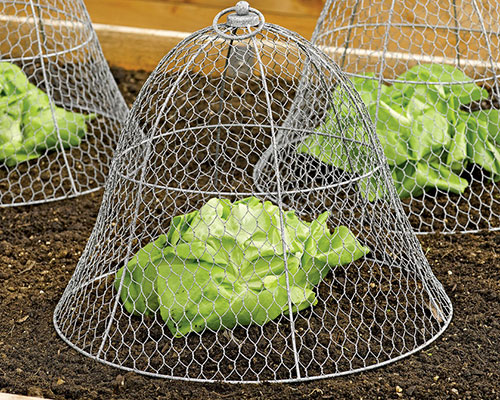
Wire mesh is a sturdy material that blocks squirrels from entering garden beds. Use fine mesh with small holes to prevent squirrels from squeezing through. Cover your plants or soil with the mesh and secure the edges tightly to the ground. Plastic netting also works well for delicate plants. It lets sunlight and water in while keeping squirrels out. Both options are easy to install and remove as needed.
Chicken Wire Cages
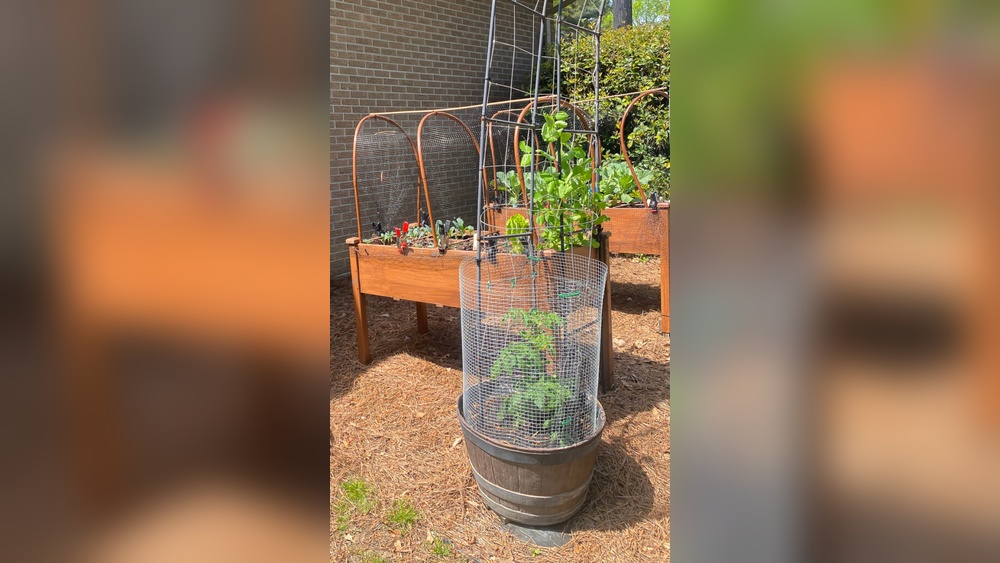
Chicken wire cages provide a protective shell around individual plants. Shape the wire into a cylinder or box that fits over the plant. Make sure the cage is tall enough to cover the whole plant and anchored firmly to the ground. This barrier stops squirrels from nibbling leaves and fruits. The wire allows airflow and sunlight, so your plants stay healthy. It is a low-cost and reusable method for small gardens.
Floating Row Covers
Floating row covers are lightweight fabrics placed over plants to block pests. These covers sit on top of the plants without touching them directly. The material lets air, water, and light pass through but keeps squirrels away. Use stakes or hoops to hold the cover above the plants and prevent collapse. Floating row covers protect young seedlings and fruits during growing seasons. They are easy to handle and remove after harvest.
Natural Repellents
Natural repellents offer a safe and eco-friendly way to protect garden plants from squirrels. These options use smells and tastes that squirrels dislike. They help keep squirrels away without harming the animals or the environment. Simple ingredients found at home often make effective repellents.
Cayenne Pepper Sprays
Cayenne pepper spray is a popular natural squirrel deterrent. Mix water with cayenne pepper powder and a few drops of dish soap. Spray this mixture on plant leaves and soil around your garden. The spicy scent and taste irritate squirrels, making them avoid the area. Reapply after rain for lasting effect.
Strong Scents
Squirrels dislike strong smells like garlic, peppermint, and vinegar. Soak cotton balls in these liquids and place them around your garden. Replace the cotton balls every few days to keep the scent strong. These smells confuse squirrels and stop them from coming near your plants.
Irish Spring Soap
Irish Spring soap is another natural repellent. Cut the soap into small pieces and spread them near plants. The fresh but strong fragrance repels squirrels effectively. Change the soap pieces every few weeks to maintain the scent and protect your garden continuously.
Environmental Controls
Environmental controls help reduce squirrel visits by making your garden less inviting. These controls focus on changing the garden space to discourage squirrels naturally. You can limit their access and food sources without using harmful chemicals or traps.
Removing Food Sources
Clear fallen fruits, nuts, and seeds daily. These attract squirrels and keep them near your plants. Store birdseed in sealed containers to stop spills. Avoid feeding squirrels directly as it encourages them to return.
Clearing Garden Perimeter
Trim tree branches and shrubs close to your garden. Squirrels use these as pathways to jump into your plants. Remove piles of wood or debris where squirrels hide. Keep the garden edge clean to reduce easy access points.
Motion-activated Devices
Motion-activated devices offer an effective way to protect garden plants from squirrels. These devices startle squirrels instantly, keeping them away without harm. They activate only when movement is detected, saving energy and avoiding constant disturbance. Gardeners can choose from various options like water sprinklers and noise makers. Both create an unpleasant environment for squirrels, encouraging them to find other places to explore.
Water Sprinklers
Motion-activated water sprinklers spray a quick burst of water when squirrels come close. The sudden spray surprises squirrels and discourages them from returning. These sprinklers do not harm animals but keep them at a distance. Position sprinklers near vulnerable plants or garden beds. Regular watering from these devices also benefits your plants. This method is safe, eco-friendly, and low maintenance.
Noise Makers
Noise makers produce loud sounds triggered by motion to scare squirrels away. The noise can be a buzzer, alarm, or ultrasonic sound. Squirrels dislike unexpected loud noises and leave the area quickly. Place noise makers where squirrels usually enter the garden. Adjust the volume and frequency to suit your garden size. Noise makers work well at night and during the day. They provide a humane way to protect plants without chemicals.
Decoys And Visual Deterrents
Decoys and visual deterrents offer a simple way to keep squirrels away from garden plants. These methods trick squirrels into thinking predators are near. This fear helps protect your plants without harming the animals. Visual cues work best when moved or changed often. Squirrels get used to static objects quickly. Using a combination of decoys keeps them cautious and away.
Owl And Predator Figures
Owl statues scare squirrels because they mimic natural predators. Place them near plants that squirrels like to eat. Change their position every few days for better effect. Other predator figures, like hawks or snakes, also work well. These figures create a sense of danger for squirrels. They avoid areas where they feel unsafe.
Reflective Objects
Reflective objects confuse and frighten squirrels by shining bright light. Hang old CDs, aluminum foil strips, or mirrors near your garden. The moving reflections startle squirrels and keep them away. Place them where sunlight hits directly for the best effect. Reflective objects are cheap and easy to use. They add a fun sparkle to your garden, too.
:max_bytes(150000):strip_icc()/how-to-keep-squirrels-out-of-your-garden-4179057final-e58b1a42f5da4c64bef48df8f9024b05.png)
Credit: www.thespruce.com
Preventing Access Points
Stopping squirrels from reaching your garden plants starts with blocking their paths. Squirrels use trees, fences, and other structures as bridges to your plants. Closing these access points lowers their chance to sneak in and cause damage.
Focus on managing trees and fences near your garden. Also, protect your garden beds physically to create strong barriers. These steps help keep squirrels away without harming them.
Tree And Fence Management
Trim tree branches that hang over your garden. Squirrels jump easily from branches to plants. Cutting these branches removes their jumping spots.
Check fences around your garden. Repair holes or gaps where squirrels can squeeze through. Add metal flashing or smooth surfaces to fences. Squirrels struggle to climb these materials.
Avoid wooden fences with rough surfaces. Squirrels can grip and climb them easily. Smooth metal or plastic barriers stop their climb.
Garden Bed Protection
Cover garden beds with wire mesh or chicken wire. Place it a few inches above the soil to protect plants. This stops squirrels from digging or nibbling on roots.
Use raised beds with tight-fitting lids or netting. This adds a second layer of defense. Squirrels find it harder to access plants in raised beds.
Place barriers around young or vulnerable plants. Small cages or plant covers work well. These keep squirrels from reaching tender shoots and leaves.
Squirrel Behavior Insights
Squirrels are clever and quick animals that often invade gardens. Understanding their behavior helps protect your plants effectively. They look for easy food sources and safe paths to reach them. Observing their habits can guide you to block their access and reduce attraction.
Knowing what draws squirrels and how they enter your garden can save your plants. This section explores common entry tactics and what attracts squirrels to gardens.
Common Entry Tactics
Squirrels jump from nearby trees, fences, or roofs to reach gardens. They use gaps in fences or climb walls to enter garden spaces. Small holes or loose boards are perfect entry points for them. They also dig under fences or burrow through soft soil. Watching these paths helps you block their way.
Attraction Factors
Squirrels are attracted to gardens with fruits, nuts, and seeds. Bright flowers and certain vegetables also lure them in. Bird feeders with seeds often become squirrel magnets. Compost piles with food scraps can draw squirrels too. Removing or protecting these attractants reduces visits.
Credit: www.reddit.com
Frequently Asked Questions
How To Stop Squirrels From Eating Garden Plants?
Use chicken wire or netting to cover plants and block squirrels. Apply cayenne pepper or peppermint oil as repellents. Remove food sources like birdseed. Try motion-activated sprinklers or decoy owls to scare squirrels away. Physical barriers remain the most effective protection for garden plants.
What Is The 5 7 9 Rule For Squirrels?
The 5 7 9 rule for squirrels means placing feeders 5, 7, and 9 feet away from jump points. This prevents squirrels from leaping onto feeders, protecting bird food effectively.
Do Coffee Grounds Keep Squirrels Out Of Plants?
Coffee grounds may repel squirrels due to their strong smell, but results vary. Use them alongside physical barriers for better protection.
Can I Put Cayenne Pepper On My Plants To Keep Squirrels Away?
Yes, sprinkling cayenne pepper on plants can help repel squirrels. Its strong smell irritates them and keeps them away. For best results, mix cayenne with water and spray around your garden’s perimeter regularly.
Conclusion
Protecting your garden from squirrels takes patience and simple steps. Use barriers like netting or wire mesh to block access. Strong smells such as cayenne pepper or coffee grounds can deter them. Keep the area clean and remove food sources that attract squirrels.
Try motion-activated sprinklers or decoys to scare them away. These methods help keep plants safe without harm. With care and effort, your garden will thrive, free from squirrel damage. Stay consistent and observe what works best for your space. Your plants will thank you for the extra protection.