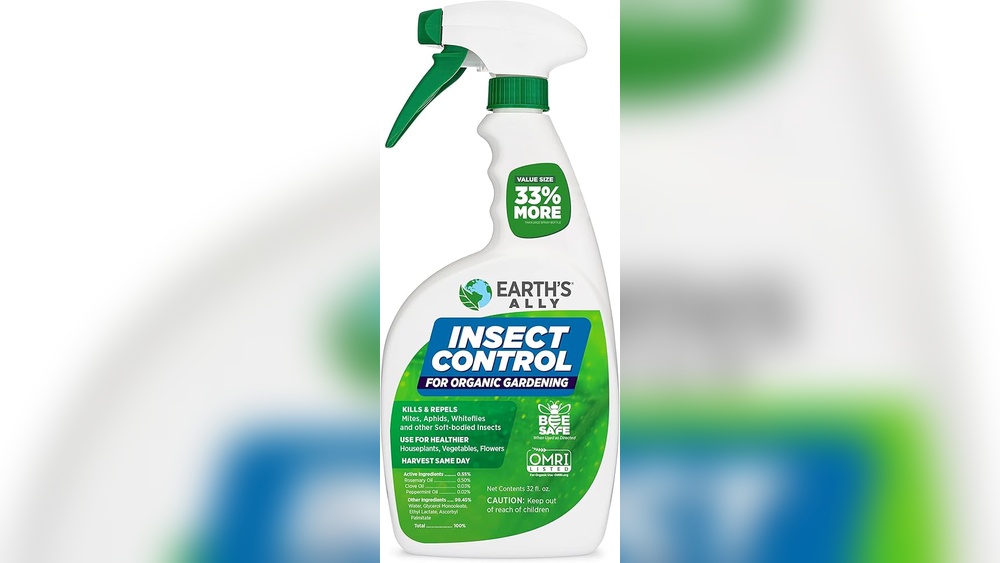
Are pests turning your organic vegetable garden into their favorite buffet? You want to protect your fresh, homegrown veggies without resorting to harsh chemicals that harm the environment or your health.
The good news is, there are safe and effective ways to keep those pesky invaders at bay while preserving the natural balance of your garden. You’ll discover simple, proven pest control methods that respect your commitment to organic gardening. Keep reading to learn how you can safeguard your vegetables with natural solutions that really work—so your garden can thrive and you can enjoy a bountiful, chemical-free harvest.
Organic Pest Control Basics
Organic pest control is essential for maintaining healthy vegetable gardens. It protects plants without harmful chemicals. This approach helps preserve soil quality and supports beneficial insects. Understanding the basics of organic pest control is the first step to a thriving garden.
Why Choose Organic Methods
Organic methods avoid toxic chemicals that can harm humans and wildlife. They protect the natural balance in your garden. Organic pest control improves soil health and plant growth. It supports pollinators like bees and butterflies. Choosing organic means safer food for your family.
Common Garden Pests
Many pests target vegetable gardens. Aphids suck plant juices, causing leaves to curl. Caterpillars chew holes in leaves and fruits. Whiteflies spread plant diseases quickly. Slugs and snails leave slimy trails and damage plants. Identifying pests early helps control them effectively.
Natural Pest Repellents
Natural pest repellents offer a safe and eco-friendly way to protect your organic vegetable garden. These repellents keep harmful insects away without harming beneficial bugs or plants. Using natural ingredients reduces chemical exposure and supports healthy soil. They also help maintain the garden’s natural balance for better growth.
Neem Oil Benefits
Neem oil comes from the neem tree seeds. It acts as a natural insect repellent and disrupts pest life cycles. This oil controls aphids, whiteflies, and spider mites effectively. Neem oil is safe for most plants and breaks down quickly in soil. Regular use helps prevent pest resistance and promotes organic gardening.
Garlic And Vinegar Sprays
Garlic and vinegar sprays deter many garden pests. Garlic contains sulfur compounds that repel insects naturally. Vinegar’s acidity disrupts pest senses and discourages feeding. These sprays are easy to make at home using simple ingredients. Applying them regularly keeps pests away without harming plants.
Insecticidal Soap Uses
Insecticidal soap kills soft-bodied insects on contact. It works well against aphids, mealybugs, and scale insects. The soap breaks down insect cell membranes, causing dehydration. It is gentle on plants and safe for organic gardens. Use it during early pest infestations for best results.
Beneficial Insects
Beneficial insects play a vital role in keeping your organic vegetable garden healthy. They act as natural pest controllers by eating harmful bugs that damage plants. Using these helpful insects reduces the need for chemical pesticides. This approach supports a safe and eco-friendly garden environment. Encouraging beneficial insects leads to stronger, thriving vegetables.
Types Of Helpful Bugs
Ladybugs are well-known for eating aphids and other soft-bodied pests. Lacewings also feed on aphids, mites, and small caterpillars. Parasitic wasps lay eggs inside harmful insects, stopping their spread. Predatory beetles hunt down slugs and insect larvae. Hoverflies consume aphids and help pollinate flowers. Each type targets specific pests, making them valuable allies.
Attracting And Maintaining Populations
Planting flowers like marigolds, daisies, and yarrow draws beneficial insects. Provide shelter with small piles of leaves or wooden sticks. Avoid using chemical pesticides as they harm helpful bugs too. Water your garden gently to keep insects hydrated. Crop diversity encourages various beneficial insect species to stay. Healthy soil and organic mulch improve insect habitats. These steps build a balanced ecosystem in your garden.
Companion Planting Strategies
Companion planting strategies offer natural ways to protect organic vegetable gardens. These methods use the natural properties of plants to repel pests and improve garden health. Planting certain crops together can create a balanced ecosystem that discourages harmful insects. This approach reduces the need for chemical pesticides and supports organic gardening principles.
Plant Pairings That Deter Pests
Some plants release scents that confuse or repel pests. For example, planting marigolds near tomatoes can keep nematodes away. Basil planted with peppers helps repel aphids and spider mites. Garlic and onions deter many insects with their strong smell. These pairings protect vegetables without harming beneficial insects like bees. Choosing the right plant combinations is key for natural pest control.
Trap Crops For Pest Control
Trap crops lure pests away from main vegetables. Nasturtiums, for instance, attract aphids and keep them off beans. Radishes can draw flea beetles away from cabbage. These sacrificial plants trap pests and reduce damage to valuable crops. Gardeners can then remove and destroy the trap crops with pests. This method lowers pest populations while keeping the garden organic and healthy.
Physical Barriers And Traps
Protecting an organic vegetable garden from pests requires smart, chemical-free methods. Physical barriers and traps offer safe and effective pest control. They keep harmful insects away without damaging plants or soil health. These tools create a shield around your crops, stopping pests from reaching them. Using barriers and traps helps maintain a healthy garden ecosystem and supports natural pest management.
Row Covers And Netting
Row covers and netting act as a physical shield over plants. They block insects like beetles, aphids, and caterpillars from landing on leaves and fruits. Lightweight fabrics allow air, light, and water to pass through. This keeps plants healthy while keeping pests out. Covers can also protect against birds and larger animals that eat vegetables. Installing these barriers is simple and fits well with organic gardening practices.
Pheromone And Sticky Traps
Pheromone traps lure specific pests using natural scents. These traps confuse or capture insects, reducing their numbers. Sticky traps catch flying pests like whiteflies and fungus gnats. Bright colors attract the insects, which then get stuck on the adhesive surface. These traps do not harm beneficial insects and avoid chemical use. They provide a safe way to monitor and reduce pest populations in organic gardens.
Credit: www.weedemandreap.com
Organic Approved Pesticides
Organic approved pesticides offer safe ways to protect vegetable gardens from pests. These pesticides meet strict standards for use in organic gardening. They control harmful insects without damaging plants or soil health. Using approved pesticides helps maintain a healthy ecosystem and supports natural pest control methods.
Bacillus Thuringiensis Usage
Bacillus thuringiensis, or Bt, is a natural bacterium used to fight caterpillars and larvae. It works by producing toxins that target specific pests. Bt is safe for humans, pets, and beneficial insects like bees. Apply Bt as a spray on affected leaves. Repeat applications may be needed for full control. Bt breaks down quickly in sunlight, reducing lasting effects on the garden.
Spinosad And Pyrethrin Options
Spinosad comes from natural soil bacteria and targets many garden pests. It is effective against thrips, leafminers, and caterpillars. Spinosad disrupts pest nervous systems but has low toxicity for beneficial insects. Pyrethrin is extracted from chrysanthemum flowers. It kills a wide range of insects quickly. Both spinosad and pyrethrin break down fast outdoors, making them suitable for organic gardens. Use these pesticides according to label instructions to keep your vegetables safe and healthy.
Soil Health And Pest Resistance
Healthy soil is the foundation of a thriving organic vegetable garden. Strong soil supports plants to fight off pests naturally. It builds a balanced ecosystem where pests struggle to survive. Improving soil health boosts plants’ resistance to diseases and insects. This reduces the need for harsh chemicals and keeps your garden safe and natural.
Composting And Mulching Tips
Compost adds nutrients and beneficial microbes to the soil. Use kitchen scraps, garden waste, and leaves to make rich compost. Spread a layer of compost around your plants to nourish roots. Mulching helps keep soil moist and cool. It also stops weeds that attract pests. Use organic mulch like straw, grass clippings, or shredded leaves. Renew mulch each season for best results.
Crop Rotation Benefits
Crop rotation means changing plant types in garden beds yearly. Different plants use different nutrients and attract different pests. Rotating crops breaks pest life cycles and stops them from building up. It also improves soil fertility and structure. Plan your garden so no plant family grows in the same spot two years in a row. This simple step helps keep your garden healthy and pest-free.
Safe Application Techniques
Applying pest control safely in an organic vegetable garden is essential. It keeps plants healthy and protects beneficial insects. Using correct techniques reduces risks to the environment and your harvest.
Safe application means choosing the right time and amount. It also means avoiding harm to pollinators like bees and butterflies. These steps help maintain a balanced garden ecosystem.
Timing And Frequency
Apply pest control treatments early in the morning or late in the evening. This timing avoids the heat and sun, which can reduce effectiveness and harm plants. It also protects pollinators that are less active during these hours.
Keep treatments to a minimum. Frequent spraying can damage plants and beneficial insects. Follow product instructions carefully. Use only the needed amount for the best results.
Protecting Pollinators
Pollinators are vital for vegetable growth and fruit production. Avoid spraying when flowers are blooming. This reduces the risk of poisoning bees and other helpful insects.
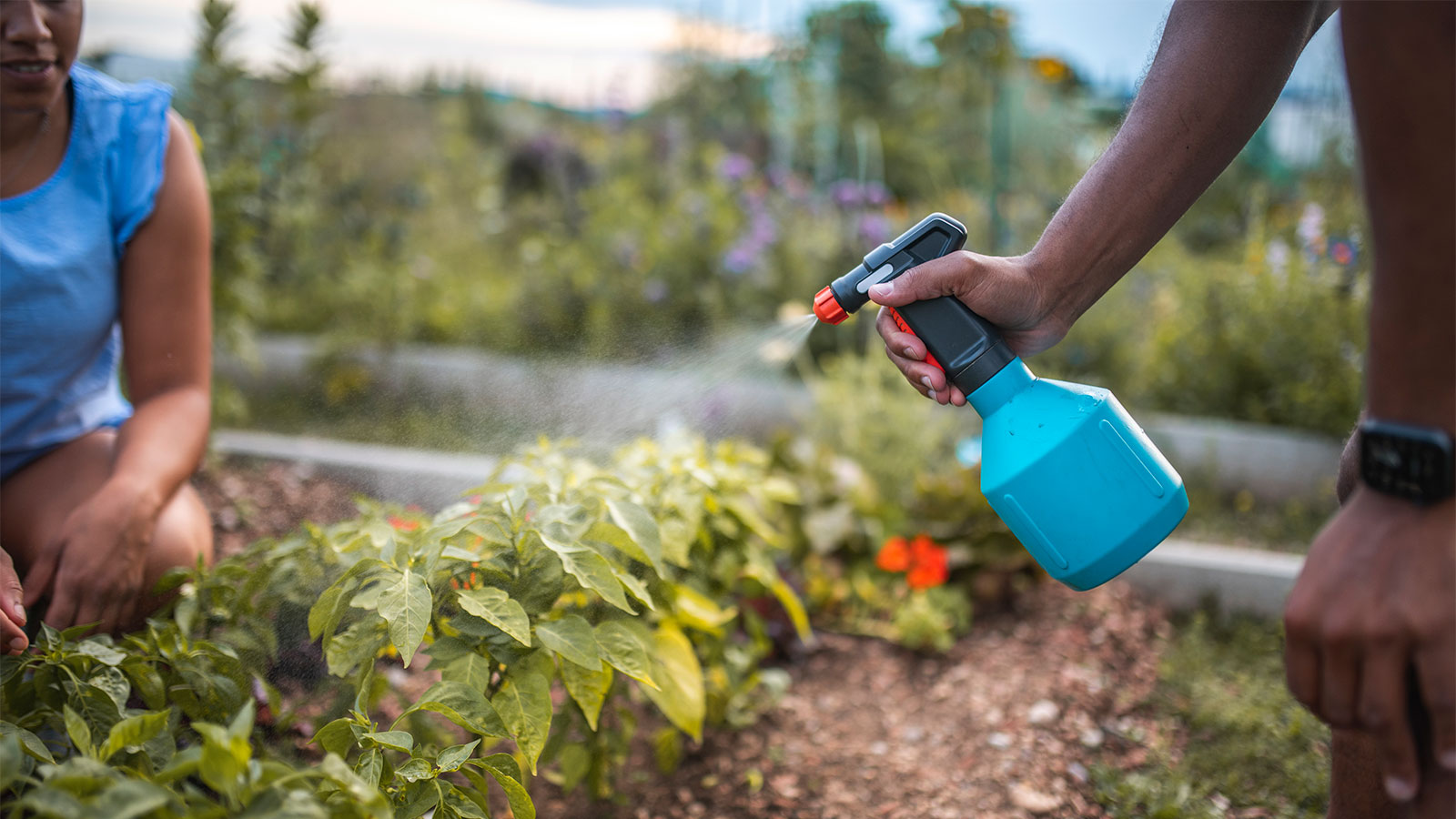
Use targeted application methods like spot treatment or soil drenching. These techniques limit exposure to non-target insects. Choose organic products that are less harmful to pollinators.
Local Resources In Austin, Texas
Austin, Texas offers many local resources for organic vegetable garden pest control. These resources help gardeners protect plants without harmful chemicals. Austin’s community supports safe and natural pest management methods. Access to local services and products makes organic gardening easier and more effective.
Gardening enthusiasts find expert help and supplies near them. Local businesses focus on organic solutions that fit Austin’s climate and pests. Knowing where to get reliable organic pest control aids healthy garden growth.
Organic Pest Control Services
Austin has several companies specializing in organic pest control. These services use natural ingredients to keep pests away safely. For example, Chem-Free Organic Pest & Lawn Services offers treatments free from chemicals. Aztec Organic Pest Service is known for eco-friendly pest management. Be Bug Free Services in South Austin focuses on organic solutions tailored to local gardens.
These companies understand the unique pest challenges in Austin. They provide treatments that protect vegetables without harming beneficial insects. Hiring local organic pest control experts ensures safe and effective garden care.
Where To Buy Organic Products
Finding organic pest control products in Austin is simple. Major stores like Home Depot and Lowe’s stock natural insecticides and sprays. Products such as Garden Safe Crawling Insect Killer and Monterey Horticultural Oil are popular choices. Local hardware stores and co-ops often carry organic insecticides too.
Online retailers also deliver organic gardening supplies to Austin. Websites like DoMyOwn.com offer a variety of safe pest control options. Austin gardeners can purchase insecticidal soaps, oils, and biological insecticides easily. Using these products supports a chemical-free vegetable garden.
:max_bytes(150000):strip_icc()/natural-homemade-insecticides-save-your-garden-without-killing-earth-4858819_final-b14c204e96734b609b8cfb28ef6f945c.png)
Credit: www.treehugger.com
Credit: home.howstuffworks.com
Frequently Asked Questions
What Is The Best Natural Pest Control For Vegetable Gardens?
The best natural pest control for vegetable gardens includes neem oil, insecticidal soap, Bacillus thuringiensis, and beneficial insects. These methods protect plants effectively without harming the environment or beneficial wildlife.
How To Keep Bugs Out Of A Garden Organically?
Use companion plants, attract beneficial insects, apply neem oil or insecticidal soap, and install physical barriers to keep bugs out organically.
What Do Organic Farmers Use For Pest Control?
Organic farmers control pests using beneficial insects, pheromone traps, neem oil, insecticidal soaps, Bacillus thuringiensis, and companion planting.
What Pesticide Is Safe For Vegetable Gardens?
Safe pesticides for vegetable gardens include neem oil, insecticidal soap, Bacillus thuringiensis, and pyrethrin. These options protect plants without harming beneficial insects or the environment. Use organic methods like companion planting and physical barriers to enhance pest control naturally.
Conclusion
Protecting your organic vegetable garden is possible without harsh chemicals. Use natural pest control methods like neem oil and insecticidal soaps. These options keep pests away while preserving soil and plant health. Regular garden care and monitoring help catch problems early.
Healthy plants resist pests better and grow stronger. Safe pest control supports a clean environment and healthy food. Enjoy your garden’s bounty with peace of mind and care. Keep your garden thriving naturally for a better harvest each season.